6 min read
May Day in Mazovia without the crowds: ideas for day trips from Warsaw
Text: Magdalena Sikora, (updated: )
May Day does not have to mean queues and traffic jams outside a popular open-air museum. Here are a few day trips from Warsaw to quieter places, with train travel.
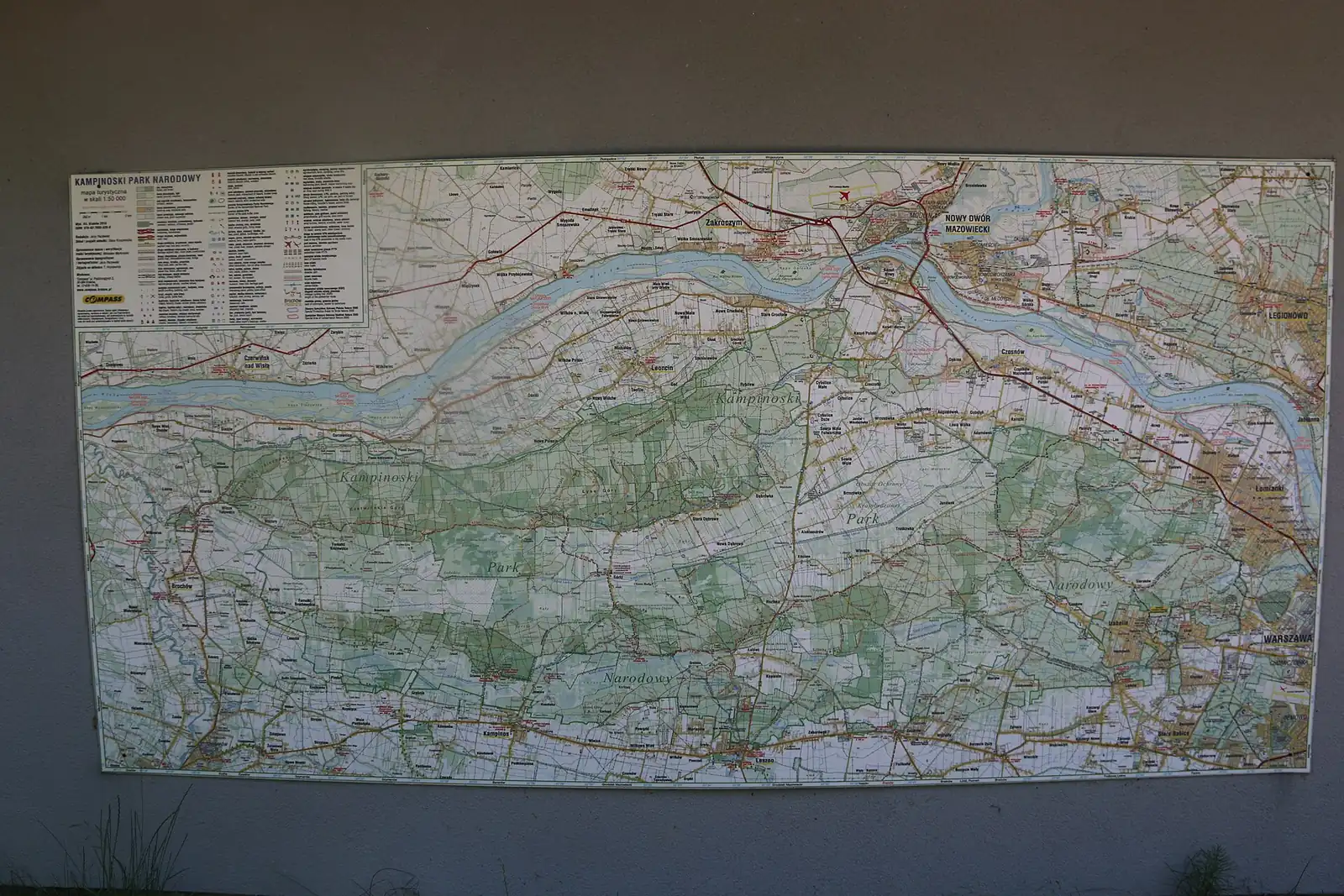
Kampinos, differently: Cisowe, Granica and the quieter edges of the forest
Kampinos National Park is a classic Warsaw outing, but there is no need to start from the busiest car parks. Instead of jostling around a few well-known entrances, it is worth choosing the south-western edge of the forest, around Granica, Kampinos, Zamość or less frequented stretches of the trails running through dunes, alder woods and open clearings.
This is a trip for anyone who wants to see the Mazovian landscape in a nearly primeval form: sandy tracks, pine woods, marshes and wide skies. Official information on routes, access rules and nature protection is published by Kampinos National Park, so it is worth checking the park’s website before you go, especially if you are planning a longer walk.
The best May Day plan? A short circular walk, coffee from a flask at a permitted rest spot, and a return along local roads through villages where the orchard trees are in blossom and May branches still stand by the wayside shrines. This is Mazovia very close to Warsaw, and yet completely non-urban.
Czersk and Góra Kalwaria: the escarpment, ruins and views over the Vistula valley
Czersk does get visitors, but over the May Day break the crowds usually gather in a few hours in the middle of the day. Arrive in the morning or late afternoon, and the castle ruins and the surrounding area take on a much calmer feel. There is a beautiful austerity to the place: brick towers, a grassy courtyard and the broad Vistula valley below the escarpment.
The historical background adds depth to the walk. The former stronghold of the Mazovian dukes is a reminder that Mazovia once had its own political and cultural rhythm, independent of Warsaw. A short account of the site’s history can be found under Czersk Castle, but once you are there, it is best simply to look: at the brick, the space, the river and the lines of the fields.
It is worth combining the trip with Góra Kalwaria. The town has a layered religious and urban history, and its quieter streets are ideal for an unhurried stroll. If you are planning a picnic, it is better to look for a spot by the Vistula away from the main sights, while keeping river safety in mind. The Vistula may look gentle, but it is not a river for careless wading.
Liw and Węgrów: castle, baroque and the Liwiec valley
East of Warsaw lies a softer, meadow-filled, river-fed Mazovia. Liw, with the remains of a ducal castle, is a great day-trip destination, especially if you want to combine history with the landscape. The ruins here do not have the monumentality of great fortresses, but that is exactly their charm: they feel intimate, set in greenery, and in keeping with the scale of a Mazovian town.
From Liw, it is worth carrying on to Węgrów. The town can surprise people who know it only from a map. A baroque basilica, monastery buildings, quiet streets and traces of its former multicultural life make for a good walk without the box-ticking. Over May Day, it is best to ignore the pressure to “see everything” and treat Węgrów as a place for a slow afternoon.
The Liwiec valley is lovely at this time of year, but it deserves respect. Spring meadows are home to birds, and not every path down to the water is a good idea. It is best to stick to existing roads and paths, and to treat binoculars as more useful kit than a Bluetooth speaker.
Modlin, Zakroczym and the meeting of three rivers
If you like landscapes with scale, the Modlin and Zakroczym area is well worth considering. It is one of the most attractive places near Warsaw: the Vistula, Narew and Wkra form a broad valley system, with fortifications and towns from different eras standing above them. Modlin Fortress itself is huge, so rather than trying to cover everything, it is better to choose one section and leave yourself wanting more.
Zakroczym offers more quiet than the most obvious Modlin spots. A walk along the escarpment, a view over the Vistula valley, a short stop by the historic buildings and a coffee enjoyed unhurriedly can be more rewarding than a packed sightseeing schedule. It is also a good choice for anyone who wants to combine military history with river scenery.
Over May Day, it is worth remembering that the areas around popular viewpoints and bridges will be busier. Plan a walking route away from the main car parks, and if you are travelling by train, check in advance the real distance between the station and the places you want to see. A related topic is covered in the piece “Why it is worth following the civic budget in your Mazovian commune and how to submit your own idea”.
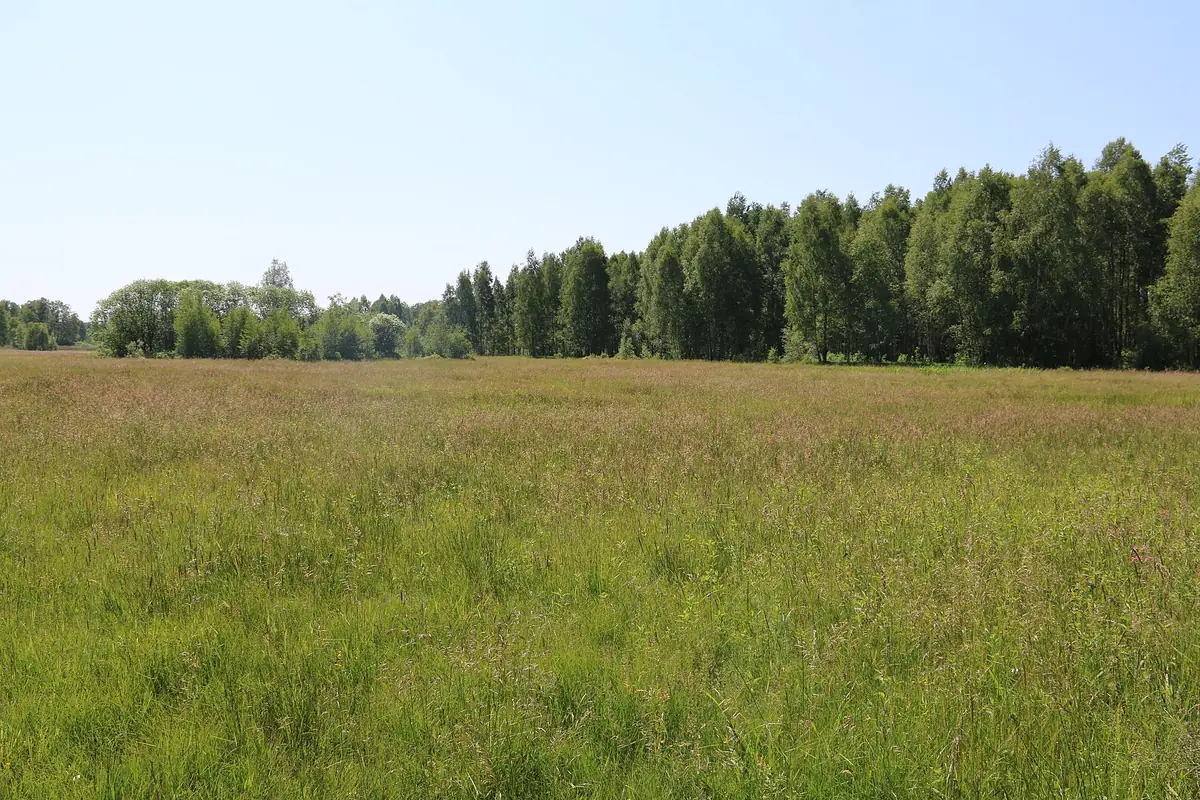
Peace on the Bug: Brok, Brańszczyk and the edge of the White Forest
The Bug has a different temperament from the Vistula. It is wilder, more changeable, at times almost intimate, even though its valley opens out wide and bright. Brok and the area around Brańszczyk are for those who want to see the river landscape of Mazovia without feeling as though they are at a mass picnic.
In Brok, it is worth taking a quiet walk through the town, looking for traces of its former importance and heading down towards the river along the marked routes. This is not a place for aggressive tourism, but for looking, listening and catching your breath. The edge of the White Forest adds a woodland note to the day: a short walk, the smell of pine needles, the first shade after the bright riverbanks. I write more about this in the piece “Mazovian markets, fairs and festivals: where to go for regional food and crafts”.
When planning a trip to this area, it is worth using information from the Mazovian Landscape Parks Complex. River valleys are valuable habitats, and in spring you should keep your distance from birds and wet ground.
Żyrardów: an industrial walk instead of a forest car park
Not every May Day trip has to lead into the woods. Żyrardów is one of the most interesting ideas for a day out from Warsaw by train, especially if the weather is uncertain or if someone prefers architecture to long walks. The former factory settlement has an unusual coherence: red brick, workers’ houses, monumental industrial buildings and a city layout that tells the story of 19th-century modernity.
The best way to start a walk in Żyrardów is at an easy pace, from the centre of the old settlement, peering down side streets and paying attention to the details: the rhythm of the windows, the gates, the squares, the scale of the buildings. It is a good choice for a day when you do not want to fight for a table in the most popular resort town. The city has character, while still offering a relaxed urban break.
Another advantage is the logistics. Getting there by train is often simpler than going by car, and not having to hunt for parking during May Day is a luxury in itself. If the day is long and you still have energy, Żyrardów can also be combined with a short trip towards Radziejowice.
Warka and the Pilica valley: orchard-country Mazovia in May light
Southern Mazovia can be wonderfully elegant in May: orchards, gentle roads, the Pilica river and small towns that do not force themselves on visitors. Warka is a good starting point, especially for those interested in history and landscape. You can plan a walk, visit the palace-and-park area, and then head down to the Pilica, choosing places less obvious than the main beaches and moorings.
This is a destination for patient observers. Over the May Day break, the orchard landscape may already be past peak blossom, or just ending, depending on the weather, but even so it has a softness to it: pale verges, fresh leaves, the smell of earth after rain. Warka lets you rest from the pace of the city without demanding a long journey.
If you are planning a picnic by the Pilica, choose legally accessible places, do not drive over the meadows and do not leave rubbish by the water. The most beautiful Mazovian landscapes are beautiful partly because they still feel ordinary and unforced. It is worth leaving them that way.
Good to know
Where can you go from Warsaw without a car?
The most convenient train destinations are Żyrardów, Modlin, Sochaczew, Warka and, if you check the timetables carefully, Płock or places along the lines heading east. Before you set off, add the walk from the station to your destination onto your train journey time. Over the May Day break, a calm walking plan is often more enjoyable than an ambitious route with several changes.
Which places are best for families with children?
For families, Czersk is a good choice because it combines a short visit with space to rest, and Żyrardów works well if children like town walks and trains. In Kampinos, it is better to choose short, marked loops rather than long trails. By rivers, extra care is needed: banks can be steep, slippery or undercut.
How can you avoid traffic jams over May Day in Mazovia?
The most effective approach is to travel outside the rush hours and pick less obvious destinations. Instead of heading at noon to the most popular car park, it is better to leave early, return before the evening rush, or plan an afternoon trip with dinner on the way. Travelling by rail also helps, as does accepting a simple fact: one well-spent walk is better than five sights seen in a state of stress.
Do you need to book sightseeing in advance over May Day?
For major museums, special events and popular attractions, it is worth checking tickets in advance, but many of the ideas here are based on walks
Other trips
- Mazovian markets, fairs and festivals: where to go for regional food and crafts
5 min read
- The most interesting cultural events in smaller Mazovian towns: Płock, Radom, Siedlce, Ciechanów and the surrounding area
6 min read
- How to organise a surprise gift for someone in Warsaw when you are far away
5 min read