6 min read
The most interesting cultural events in smaller Mazovia towns: Płock, Radom, Siedlce, Ciechanów and the surrounding area
Text: Magdalena Sikora, (updated: )
Płock, Radom, Siedlce and Ciechanów all have their own festivals, theatres and concerts, often cheaper and less crowded than in Warsaw. Here is a round-up of events worth the trip.
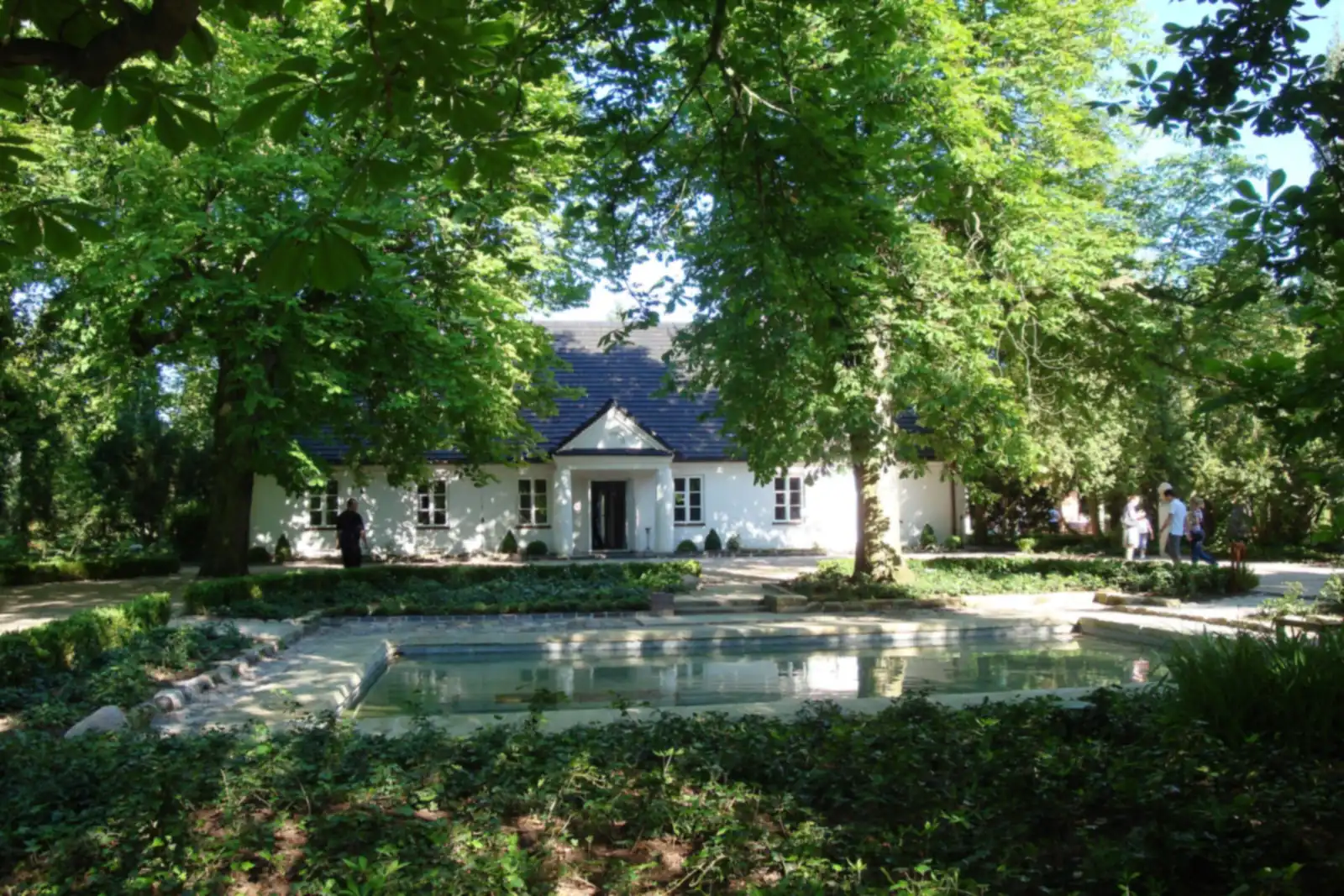
Mazovia beyond the capital: why it pays to look wider
When people talk about the region’s culture, Warsaw naturally gets most of the attention, but the full picture of Mazovia only comes into view when you look at medium-sized towns. That is where events often feel closer to the people, and the line between audience, artists and organisers is pleasantly thin.
In smaller towns, it is also easier to combine several experiences at once: a performance with dinner by the market square, a concert with a visit to a museum, a festival with a short walk by the river. What stays with you most is the atmosphere of the place.
Płock: culture with a view of the Vistula
Płock has one of the most beautiful panoramas in the region: the Vistula escarpment, the cathedral, the Old Town and the riverfront all provide a natural backdrop for outdoor events. History does not sit behind glass here; it is part of everyday city life.
The Tumski Fair and the city’s collecting tradition
One of the best-known events is the Tumski Fair, which brings together antique dealers, crafts, collectors, concerts and walks through the historic centre. It is a good example of an event that is not just a market, but a story about old objects, local memory and the pleasure of unhurried discovery.
It is worth pairing it with a visit to the Mazovian Museum, especially known for its Art Nouveau collection. Thanks to that, Płock has a rare gift: it can combine popular, urban and museum culture in a single weekend plan.
Music, summer and the riverfront
In summer, Płock makes the most of its location on the Vistula. Open-air concerts, events on the riverfront, family projects and festival evenings create a sense of an open city. Even when major festival brands change location or format, Płock remains strongly associated with music in the open air.
It is best to follow the programme of the Płock Centre of Culture and Art and the city’s institutions, because alongside large events you will also find intimate concerts, outdoor cinema, author talks and workshops for children.
Radom: theatre, film and the city’s festival spirit
Radom is often overlooked, which is a shame, because it has one of the more interesting cultural offers in the southern part of the voivodeship. The city leans heavily on theatre, film, music and events set in urban spaces. For anyone looking for more than a one-day stroll around the market square, it is a rewarding destination.
The International Gombrowicz Festival
Radom’s main theatre event is the International Gombrowicz Festival, organised around the work of Witold Gombrowicz, with whom the region has strong biographical links. The event attracts productions from Poland and abroad, while staying rooted in the local stage of the Jan Kochanowski Powszechny Theatre.
It is a festival for audiences who like theatre that is intelligent, unconventional and sometimes ironic. Even if you do not know Gombrowicz well, you can treat the event as an invitation to think about form, freedom and Polish modernity.
Kameralne Lato and the city’s film energy
Radom’s Kameralne Lato is especially appealing for film fans, workshop-goers and anyone who enjoys meeting filmmakers. The festival focuses on film, education and discussion, and its scale makes it easy to get close to people from the industry. Unlike the big film events, it is intimate and easy to take part in.
It is also worth keeping an eye on the work of the Radom Club of Creative Circles and the “Łaźnia” Gallery, the Radom Chamber Orchestra and Resursa Obywatelska. These are institutions that often put together programmes that may not look flashy in adverts, but are very rewarding in content.
Siedlce: stage, music and Mazovia’s eastern edge
Siedlce has a different tone from Płock or Radom. It sits closer to the cultural borderlands, which gives it a special sensitivity to tradition, music, dance and community-based activity. Culture here is often family-friendly and accessible, but never short on artistic ambition.
Theatre and concerts in the city centre
A key venue is the Andrzej Meżerycki Centre for Culture and Arts, where you will find plays, concerts, dance shows and events for children. Siedlce has an audience used to taking part in culture regularly, so the institution’s programme can be surprisingly varied.
Music events are also strong here: from choral and classical concerts to jazz, literary song and educational projects. If you are planning a weekend, it is worth checking the programme of the city cultural centre, the library and the university as well, because in Siedlce culture often spreads beyond a single institution. I write more about this in the piece “How to check what is happening in Mazovia at the weekend: the best sources for local events”.
Parks, squares and outdoor events
In summer, Siedlce makes use of its open spaces: Aleksandria Park, squares and city green spaces. Outdoor concerts, fairs, dance nights, displays and family events create the feel of a city where culture does not always need a ticket or an evening plan.
It is a good choice for people travelling with children. The programmes are often practical: shorter concerts, workshops, activities and performances at family-friendly times. That makes it easy to plan a cultural weekend without pressure or rushing.
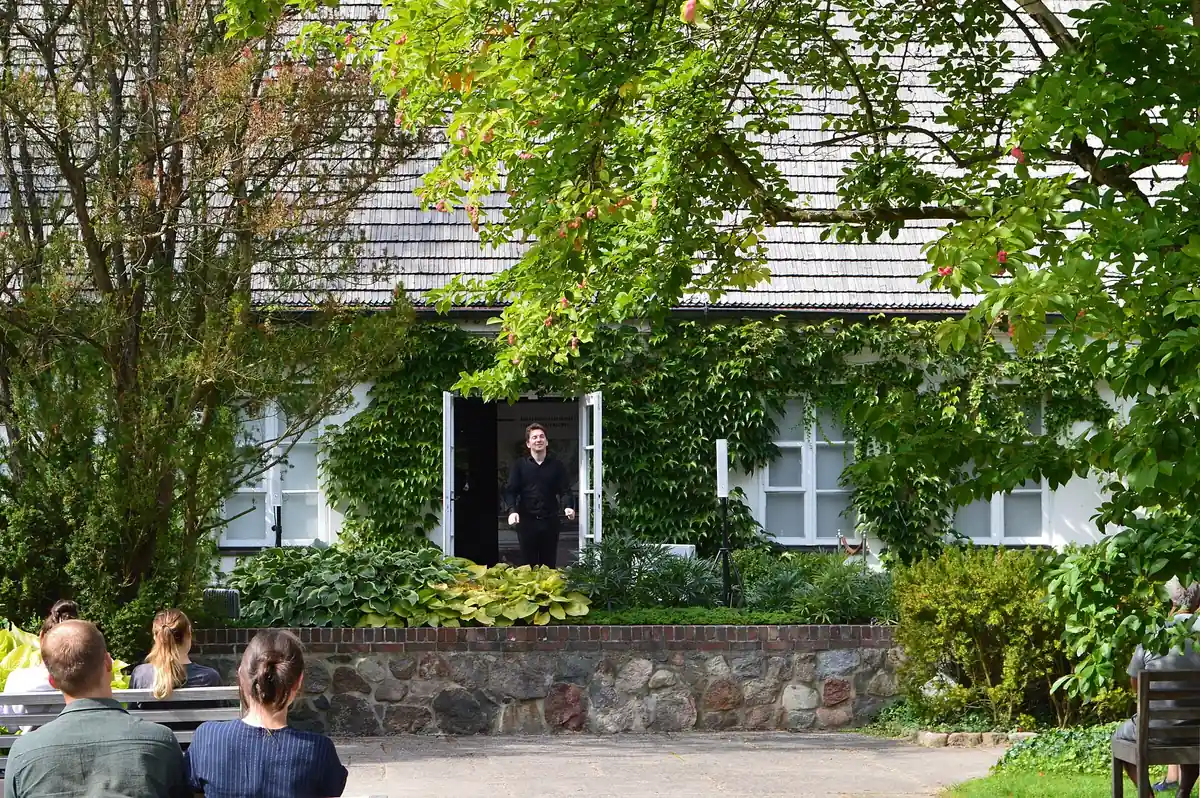
Ciechanów and the surrounding area: castle, folklore and good small-scale events
Ciechanów has a special advantage: the Castle of the Masovian Dukes. Its stark architecture works beautifully as a backdrop for historical events, concerts, re-enactments and open-air meetings. It is one of those places where the setting itself adds depth to the programme.
The castle as a stage
Events held at Ciechanów Castle work especially well in the warmer months. You can catch concerts, historical picnics, educational activities, exhibitions and family events here. When planning a visit, it is worth checking the programme of the Museum of Mazovian Nobility, as the institution combines its museum role with lively local programming.
For heritage enthusiasts, the database and materials of the National Heritage Board of Poland are also useful, especially if you want to expand your trip to include historic churches, manor houses, urban layouts and places less obvious than the main attractions.
Kupalnocka, folklore and the traditions of northern Mazovia
In Ciechanów and the surrounding area, folklore and outdoor events play an important role, including those linked to the tradition of summer music and dance gatherings. What makes them most valuable is the meeting of generations: older residents who remember local customs, children learning to dance, regional ensembles and visitors from outside Mazovia. See also “How to get to local events in Mazovia without a car: trains, buses and practical tips”.
It is also worth visiting nearby Pułtusk, Mława, Przasnysz or Opinogóra. The latter, linked to the Romantic memory of the Krasiński family, gives you a very good reason to combine literature, history and a walk through a historic park layout.
How to plan a cultural weekend outside Warsaw
The best trips around Mazovia do not need to be elaborate. It is enough to choose one event as the main point and build a calm plan around it: a museum, a walk, dinner, a local bookshop or a market. In smaller towns, logistics are usually easier than in the capital, but it is still worth checking train times home and booking accommodation early for larger festivals.
- Check the programme of city institutions, not just the calendar of big events; many of the best things are one-off concerts, talks and exhibitions.
- Match the event to the place: in Płock, choose a walk by the Vistula; in Radom, theatre or a gallery; in Ciechanów, the castle; and in Siedlce, the park and the city centre.
- For theatre and film festivals, buy tickets early, because smaller venues have limited capacity.
- Do not overlook libraries, regional museums and community centres; they often host the most interesting author talks, workshops and lectures.
- If you are travelling with children, look for outdoor events and morning performances that are easy to combine with lunch and a short walk.
A useful general reference point for cultural education, community centre programmes and local initiatives is the National Centre for Culture. It does not replace city calendars, but it does help show how broad and varied Poland’s local cultural network is.
The most interesting nearby places to visit along the way
If you have more than one day, it is worth extending the route. Around Płock, the most interesting places include riverside towns and old Mazovian routes. Near Radom, you can think about Orońsko, home to the Polish Sculpture Centre, one of the most interesting contemporary art venues outside the big cities.
Around Siedlce, it is worth planning trips towards Liw, Węgrów and Drohiczyn, although the last of these lies outside Mazovia’s administrative border. Near Ciechanów, consider Opinogóra, Pułtusk and Mława. The culture of the region is a network of places you want to return to, not just one stage or one market square.
Good to know
When is the best time to look for cultural events in smaller towns in Mazovia?
The busiest season usually runs from May to September, when open-air concerts, fairs, outdoor cinemas and festivals appear. Autumn is also very appealing, especially for theatre, jazz, film and literary events. In winter, it is worth keeping an eye on the programmes of community centres, museums and concert halls.
Do you need to buy tickets in advance for events in Płock, Radom, Siedlce and Ciechanów?
For major festivals, theatre performances and concerts in halls, absolutely yes. In smaller towns the number of places is often limited, and local audiences know the key dates well.
Where can you check the current events programme in smaller towns?
The most reliable sources are the websites and social media profiles of city community centres, theatres, museums and town halls, because that is where dates appear first and are updated when anything changes. Before you travel, it is worth checking the organiser’s website again, as outdoor events are sometimes moved because of the weather.