5 min read
How to get to local events in Mazovia without a car: trains, buses and practical tips
Text: Łukasz Pietrzak, (updated: )
You can reach many towns in Mazovia by Koleje Mazowieckie or bus. Here’s how to plan your trip to an event without a car and avoid being stuck at the station in the evening.
Mazovia without a car: why it really works
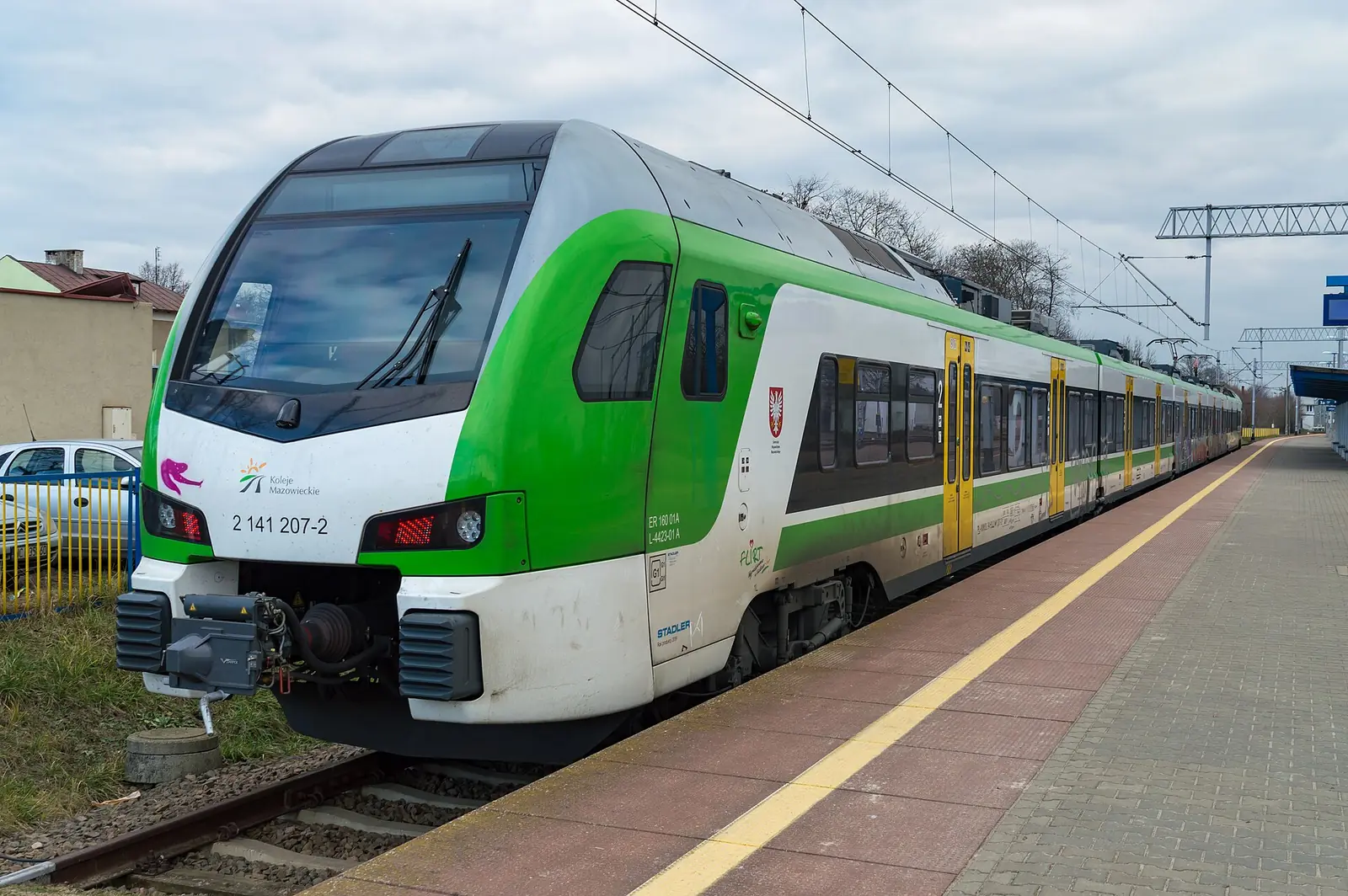
Mazovia is large and varied, but its transport network has a strong starting point: Warsaw, with rail lines spreading out in all directions. They take you to big cities such as Radom, Płock, Siedlce and Ostrołęka, as well as to many smaller places where markets, parish fairs, folklore festivals and outdoor concerts are held.
In practice, the most convenient way to travel is usually a train combined with a short walk, local transport or a local bus. It won’t always be the quickest option, but it is often the most predictable: no hunting for parking, no traffic jams after the concert, and no tired drive home in the dark.
It’s also worth looking at the region’s map as a whole. Mazovia, described in more detail in the entry Mazovian Voivodeship, includes both the densely built-up Warsaw metropolitan area and quieter counties where services are less frequent. That means a Saturday picnic in Piaseczno will need a different plan from an evening festival in a smaller town near Wyszków.
The train as the backbone of the trip
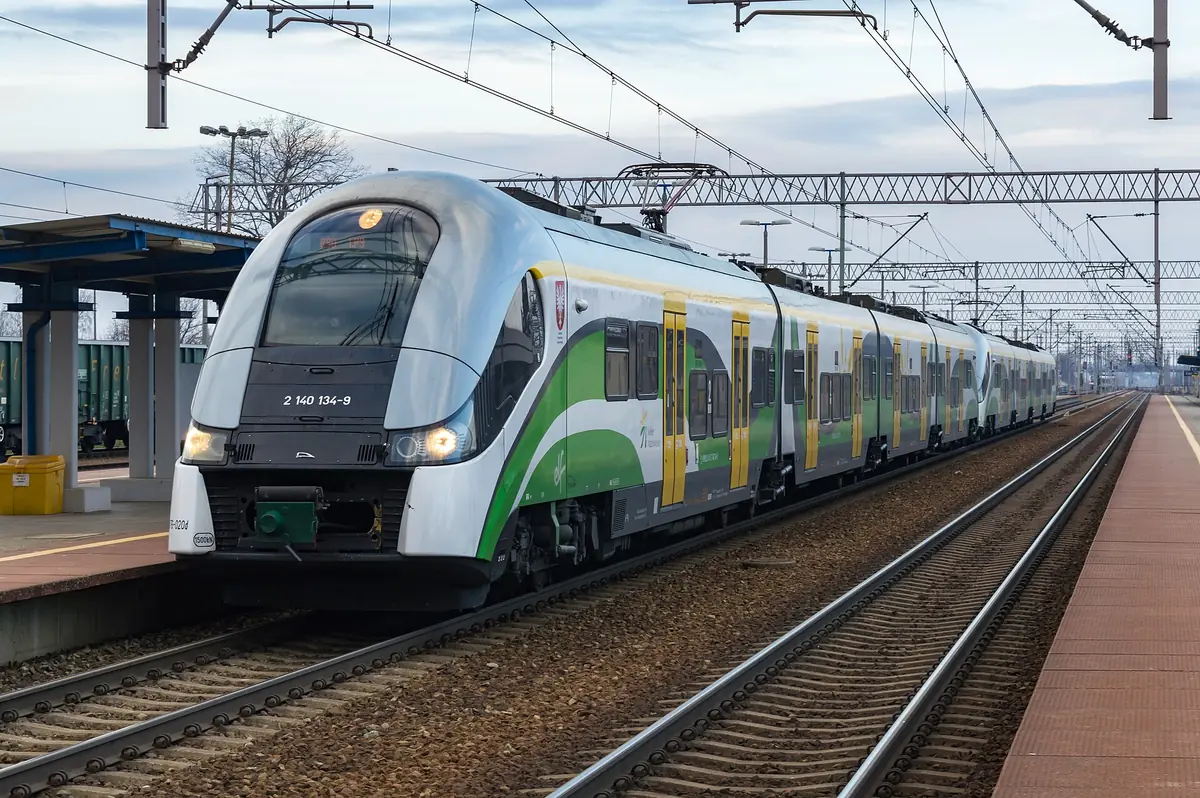
If the event is taking place in a town with a railway station, the train should be your first choice. In Mazovia, Koleje Mazowieckie, Warszawska Kolej Dojazdowa, SKM Warsaw, and long-distance and regional services run by other operators all play an important role. Together they form a network that makes it possible to reach many day events at weekends without needing to stay overnight. I cover a related topic in the article “Mazovian markets, fairs and festivals: where to go for regional food and handicrafts”.
It’s also worth looking for connections to nearby stations. Sometimes a fair, run, historical re-enactment or waterside event takes place closer to a stop with a less obvious name. Check the map before buying a ticket, because the difference between two stations can mean a 20-minute walk instead of an hour.
For larger city events, it pays to arrive earlier. Afternoon and evening trains can be busier, especially on warm weekends when Warsaw residents head to Żyrardów, Otwock, Modlin, Serock via nearby stops, or to holiday towns along popular lines.
Local buses: less obvious, often essential
A bus is often the missing link between the station and an open-air stage, an open-air museum or a palace. In many counties there are municipal, county, private or public transport services. Their timetables are not always as easy to follow as the rail network, but they can cut a walking route down significantly.
The golden rule is simple: check your return journey before you leave. Getting there at lunchtime may be easy, but the last bus from a small town can sometimes leave before the concert even ends. If you plan to come back late, think about walking back to the station, booking a taxi in advance or staying overnight nearby.
In the Warsaw metropolitan area, the Warsaw Public Transport website is especially useful for checking tram, bus, metro and SKM timetables. For events in Warsaw and in municipalities covered by the shared fare system, it is often the easiest way to piece together a journey in short stages.
How to plan your route step by step
Start planning a car-free trip with the return time; the ticket comes second. Event schedules tend to shift, and the most interesting concerts, performances or author talks are often at the end of the day. So it’s best to build a flexible plan based on real connections.
- Check the exact address of the event. A town name is not enough; what matters is whether it’s the market square, a park, a stadium, a museum, a riverside beach or the grounds by a school.
- Find the nearest station or stop. Compare the walking route with the option of taking a local bus.
- Work out the last sensible return. Note down the train or bus time, and don’t rely only on memory and mobile signal.
- Build in a buffer. Allow at least a few extra minutes for walking through a crowd, buying food, collecting items from the cloakroom or dealing with a level crossing that’s closed.
- Check the fare. At the point where operators meet, one ticket may not be enough; it’s better to make sure before you board.
- Have a Plan B. That could be leaving earlier, using another station, having the number of a local taxi to hand, or booking an overnight stay if the event ends late.
Tickets, fares and small traps
Several ticketing systems operate in Mazovia, so before you travel it helps to separate two things: who the operator is and which fare applies on the section you’re using. A ticket for a regional train is bought differently from one for a city bus, and differently again from a local service run by a municipality or a private operator.
If your journey starts in Warsaw, check whether you can use time-based or day tickets within the city fare system and where that zone ends. For longer rail journeys, it is safer to buy a ticket for a specific route and make sure it is valid on the type of train you’ve chosen.
Official operator websites, ticket apps and notices about timetable changes are useful. When it comes to rail travel, pay attention to track renewals and replacement bus services. Information about the rail market and safety rules is published, among others, by the Office of Rail Transport, which can be helpful when planning your trip more carefully.
Evening events and getting home after dark
The most demanding trips are the ones that finish late: summer outdoor cinemas, concerts, dances, Museum Night and festivals by the water. In these situations, don’t assume that “something will still be running”. In small towns, the last bus can disappear from the timetable very early, and the railway station may be some distance from the centre.
A good solution is to travel by train to a larger town and cover the final stretch by bus or on foot. If the event is popular, organisers sometimes publish details of extra services, changes to traffic arrangements or special stops. Look for these notices on the event website, on the municipality’s social media and on information boards at stations. A similar issue is covered in the article “The most interesting cultural events in smaller Mazovian towns: Płock, Radom, Siedlce, Ciechanów and nearby areas”.
After dark, simplicity matters most. It’s better to take a route that’s five minutes longer but stays on a lit pavement than a shortcut through unfamiliar ground. Bring a charged phone, a power bank, a small bottle of water and something warmer, because walking back from an outdoor concert after sunset can catch you out even in June.
Travelling with children, older people and anyone with limited mobility
A car-free trip with family or an older person is possible, but it needs a gentler pace. Pay attention to lifts, underpasses, platforms, the distance from the stop to the event venue and the availability of toilets. Some small stations are charming, but less convenient if you have a pushchair.
It’s worth choosing services with fewer changes. Even if the journey takes a little longer, fewer transfers usually mean a calmer day. For outdoor events, check whether there are benches, shade and an easy way out if you need to leave early without squeezing through a crowd.
If you’re travelling with children, talk them through the journey: when the train comes, where you get off, how long the walk will be. A small map of the day helps them stay calm. For older travellers, it’s a good idea to print or save the key times, because using a phone in a crowd and noise can be awkward.
Good to know
When should you buy a train ticket?
For short regional trips, buying your ticket on the day usually does the job, but don’t leave it to the last minute, especially if you’re travelling with children or as a group. On popular weekends and when changing trains, it’s better to have your ticket in advance and check whether the timetable has changed because of works.
What if the last bus leaves before the event ends?
Then you need to decide before you set off: leave early, walk to another station, book a local ride or plan an overnight stay. It’s not worth hoping for the best, because in smaller places transport options quickly dry up in the evening.
How can you avoid stress when changing trains?
Don’t plan tight connections. Choose services with a comfortable time margin, note down platform and stop numbers, and on evening trips stick to simple routes. The calmest journeys are the ones where even a small delay doesn’t spoil the whole day.