5 min read
Mazovia markets, fairs and festivals: where to go for regional food and crafts
Text: Łukasz Pietrzak, (updated: )
Honey, sourdough bread, cured meats, ceramics, paper cut-outs. Where to find markets, fairs and festivals in Mazovia with regional food and crafts, and when they take place.
Mazovia on the plate and in your hands
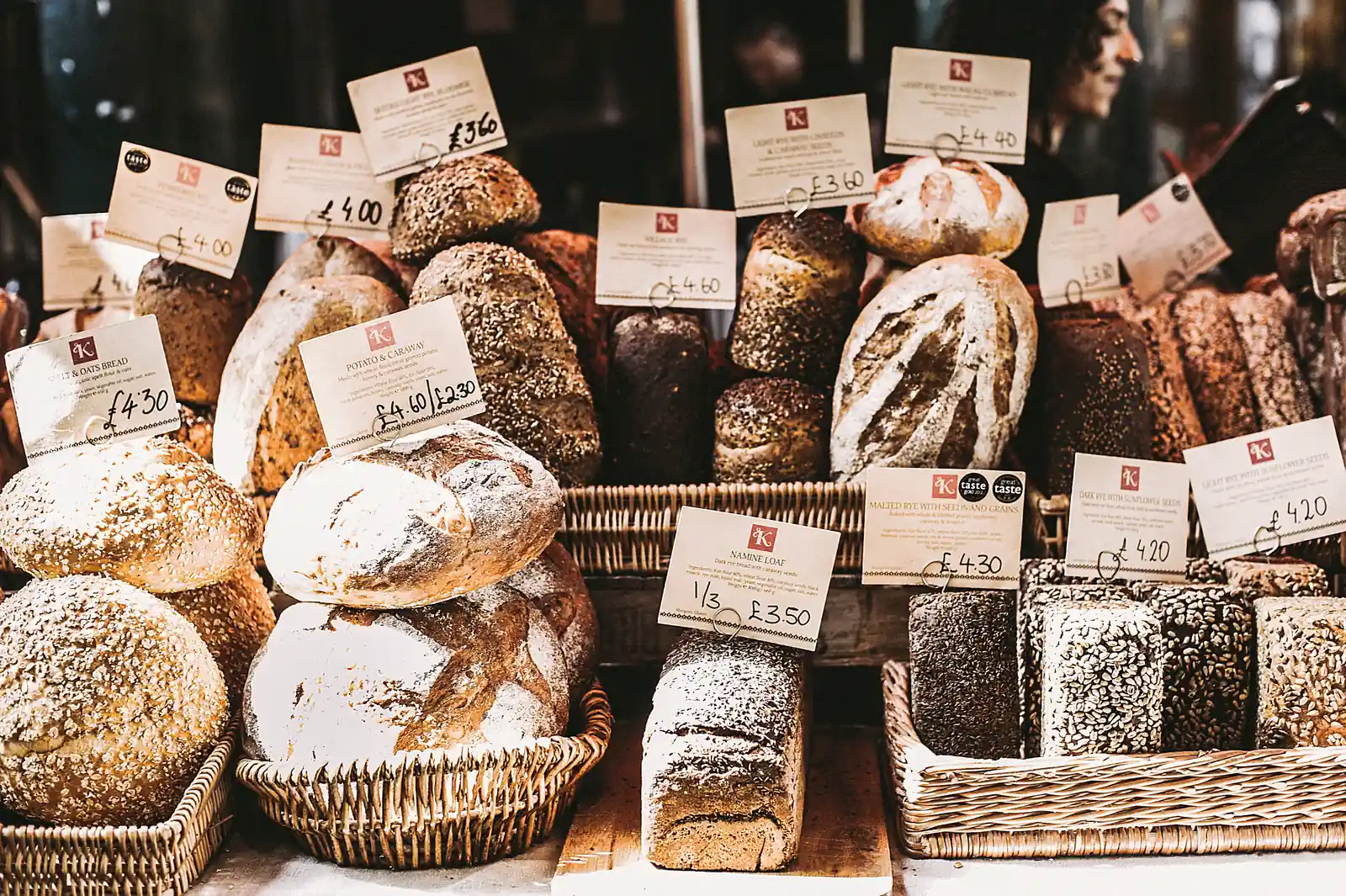
Mazovian outdoor events have one special strength: they bring together the city feel of Warsaw with the rural traditions of the Kurpie region, the Radom area, the Płock district, the Siedlce area, Ciechanów and the Vistula valley. At one market you might find cheese from a small producer; at another, linen tablecloths, honey, cold-pressed oils, fruit juices from local orchards, wooden toys or ceramics fired in a small workshop.
It is worth remembering that Mazovia is both an administrative region and a historic-cultural one. The borders of the story do not always match the map of the voivodeship, and that becomes clear when you look at food and craft traditions. For context, the entry Mazovia on Wikipedia may be helpful, especially if you are planning a route following local customs rather than modern county lines.
Płock, Pułtusk and the Vistula valley: the market rhythm of riverside towns
Płock and the tradition of the city market
Płock has a natural setting for markets: a steep riverbank, old buildings, Tumskie Hill and the Vistula, which has shaped trade for centuries. Events held in the city centre draw collectors, craftspeople, food producers and makers of practical little objects. It is a good place to look for ceramics, wooden goods, designer jewellery, honey, bread, homemade liqueurs without a mass-produced feel, and seasonal preserves.
In Płock, it is worth leaving time for more than shopping. The market works best as part of a full-day walk: stalls in the morning, then coffee or lunch in the centre, and in the afternoon the riverside promenade or a museum. Rather than a quick dash to fill a basket, you end up with a relaxed day in the city.
Pułtusk: a long market square and a fitting backdrop for local life
Pułtusk, with one of the most recognisable market squares in the region, is ideal for a family outing combined with a local fair. Events in and around the square often feel more intimate than big-city gatherings. That makes it easier to talk to sellers and choose things calmly: honey, bread, cheese, seasonal fruit, simple decorations and handmade items.
If you are travelling with children, Pułtusk has another advantage: after shopping you can stroll by the Narew, look down the side streets and treat the fair as the start of a little trip, rather than its only purpose.
Sierpc and open-air museums: when a festival becomes a lesson in tradition
Open-air museums are best for crafts
If you care about handmade work rather than just a souvenir stall, it is worth following events held in open-air museums and regional museums. Sierpc, known for the Museum of Mazovian Village Life, is one of the places where a festival shows the context: old techniques, tools, the way work was done and the rhythm of farm life, not just the finished object. I write about the details in the article “Why it is worth following the civic budget in your commune in Mazovia and how to submit your own idea”.
At events like these, basket weaving, blacksmithing, pottery, embroidery, paper cut-outs, woodwork and bread-baking tend to shine. Even if you do not plan to buy much, you can come away with knowledge you would never get from a product description. For people who love beautiful, lasting things, this is often the most rewarding kind of festival.
Kurpie, the Ostrołęka area and northern Mazovia
Paper cut-outs, amber memories and plenty of character
Northern Mazovia has its own tone: more woodland, more Kurpie, with a strong tradition of paper cut-outs, palms, textiles, singing and ritual customs. Events around Ostrołęka, Myszyniec and smaller towns are often at their best when they are tied to a local feast, a folk festival, a church fair or a harvest celebration. Then the crafts are simply part of the place.
On the stalls, look out for Kurpie paper cut-outs, painted eggs, palms, small paper decorations, textiles and traditional baked goods. A good sign is the presence of makers who can explain where the pattern comes from and what it used to be for. That conversation is often the best proof that something is genuine.
Radom, Siedlce and smaller towns: the strength of local celebrations
It is not only the biggest events that are worth the journey
Radom and southern Mazovia have their own food and craft base, linked to fruit growing, processing, bread, wooden goods and local market traditions. In Siedlce and in the east of the voivodeship, events that blend Mazovian and Podlasie sensibilities stand out: simple food, farm produce, honey, cheese, embroidery, lace and home decorations.
The biggest mistake is to wait only for the “famous” fairs. Many of the best purchases are made at commune harvest festivals, city celebrations, local parish fairs, museum markets, anniversaries of rural women’s groups or picnics organised by local authorities. That is where you are more likely to meet people who make a few things, but make them well, without much marketing fanfare. I cover a related topic in the piece “How to check what is happening in Mazovia at the weekend: the best sources for local events”.
What to buy if you really want to feel Mazovia
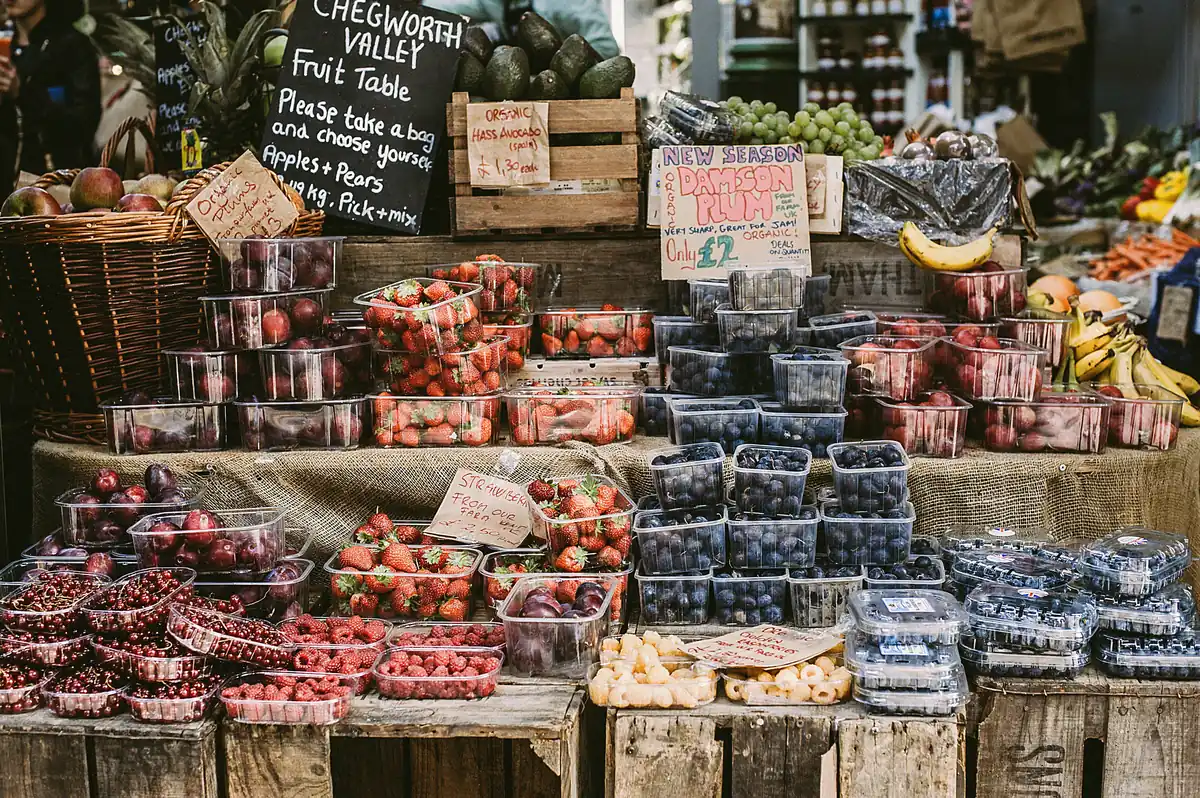
Regional food does not have to be complicated. In Mazovia, look for honey, pickles, apple juice, fruit preserves, jams, sourdough bread, farm cheeses, oils, grains, herbs, dried fruit and home baking. For ready-made products, read the labels: a short ingredient list, a clear place of production and a real person behind the stall usually say more than a decorative sticker.
When it comes to handmade items, touch matters. Ceramics should feel good in the hand, fabric should have a pleasant texture, wooden objects should be carefully finished, and folk decorations should have a clear origin for the pattern. If you are buying a gift, ask how it should be cared for: can the bowl go in the dishwasher, can the fabric be washed, does the paper cut-out need to be kept out of the sun?
A useful guide for food is the List of Traditional Products kept by the Ministry of Agriculture and Rural Development. It will not replace a conversation with the producer, but it does help explain which names and recipes have documented regional significance. It is also worth knowing about the work of the Polish Chamber of Regional and Local Products, which promotes a fair approach to local food.
When to go: season by season
Spring and summer
Spring brings Easter markets, events at open-air museums, the first neighbourhood festivals and outdoor fairs. It is the season for palms, painted eggs, young herbs, the first preserves and light home crafts. In summer, Mazovia comes alive with city celebrations, concerts in market squares, harvest festivals in smaller towns and riverside picnics. It is the best time for unhurried family outings. See also “The most interesting cultural events in Mazovia’s smaller towns: Płock, Radom, Siedlce, Ciechanów and the surrounding area”.
Autumn and winter
Autumn is especially good for food lovers: apples, juices, preserves, mushrooms, honey, oils, pickles and baked goods all make perfect sense then. In winter, look for Christmas markets, but choose the ones that invite local makers rather than just sellers of mass-produced decorations. A hand-made ornament, good honey or a linen table runner can make a much more personal gift than a seasonal trinket with no story.
Good to know
Can you pay by card at Mazovian fairs?
More and more often, yes, but it is not wise to rely on that. Small producers and craftspeople sometimes have a card machine, sometimes take phone transfers, and sometimes work cash only. It is safest to have some small notes and coins with you, especially at smaller village and commune festivals.
How can you tell genuine handmade items from mass-produced souvenirs?
The best thing is to ask who made the item, what technique was used and where it was made. A maker can usually talk about the material, the time involved, the pattern and how to care for it. Identical products sold in large quantities, with no information about the maker, region or workshop, should ring alarm bells.
Which events are best for children?
For families, the best choices are festivals in open-air museums, city celebrations, harvest festivals and events in large squares, where there are displays, music, workshops or space to wander as well as stalls. Sierpc, Pułtusk, Płock and smaller towns with outdoor programmes let you combine shopping with learning and a bit of a rest.
Is it worth going to a small commune festival instead of a big fair?
Definitely, if you want something authentic. Big fairs offer more choice and a fuller setting, but smaller festivals often give you closer contact with producers, home cooks, local groups and makers. That is where it is easiest to buy
Other trips
- The most interesting cultural events in Mazovia’s smaller towns: Płock, Radom, Siedlce, Ciechanów and the surrounding area
6 min read
- How to organise a surprise gift for someone in Warsaw when you are far away
5 min read
- What to do with children in Mazovia when it rains: a guide to indoor attractions
5 min read