5 min read
Why it pays to follow the participatory budget in your Mazovian municipality and how to put forward your own idea
Text: Łukasz Pietrzak, (updated: )
Participatory budgets can fund small squares, pedestrian crossings and activities for older people. Here’s how to find out what is happening in your municipality and how to submit your own project.
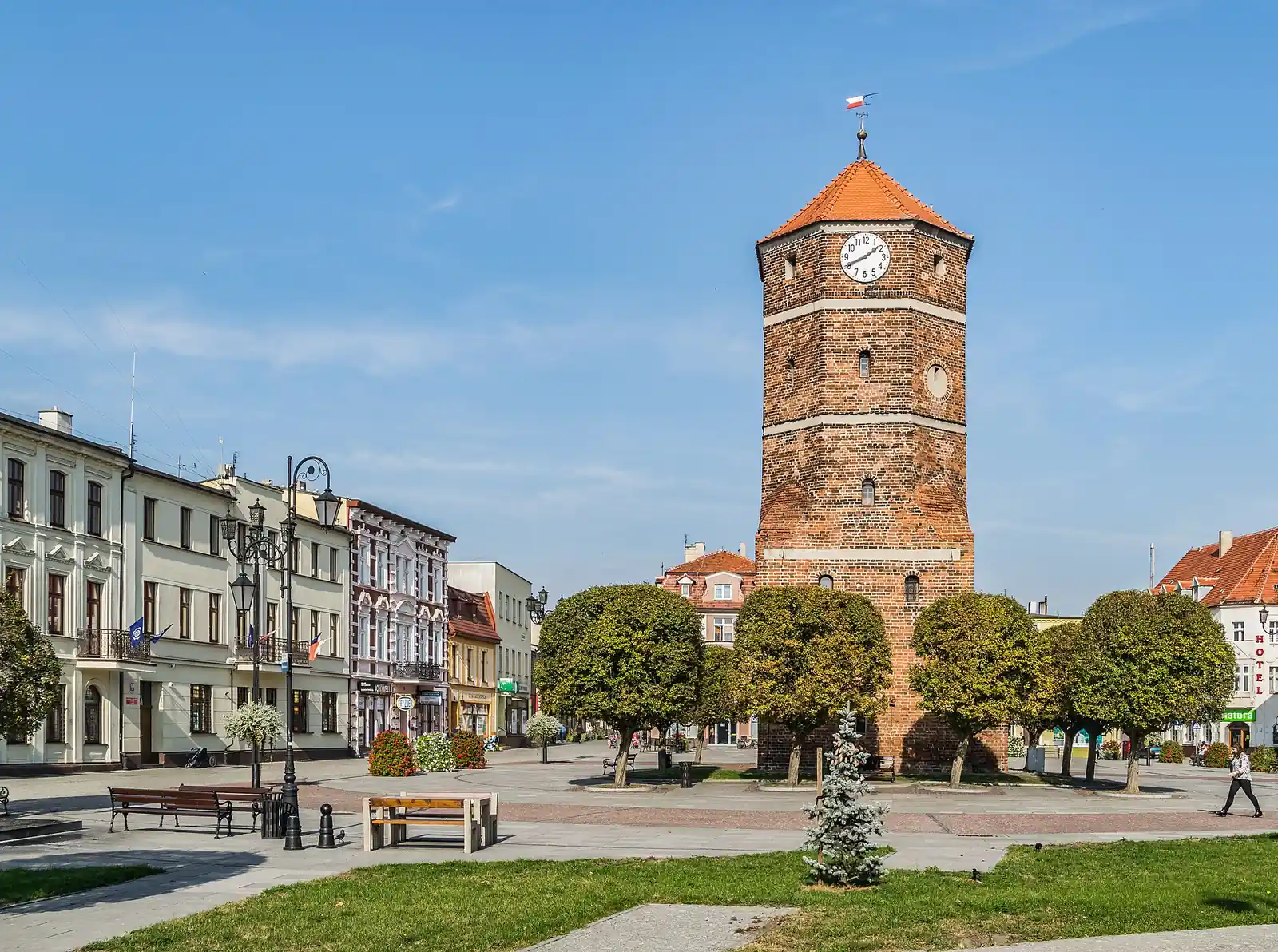
Participatory budget: a small mechanism, a big change in the neighbourhood
A participatory budget, also known as a participatory or civic budget, means that part of the money from a municipality’s, town’s or district’s budget is set aside for projects proposed and chosen by residents. It is not a contest for pretty ideas, and it is not a survey with no real consequences. Winning projects are carried out, as long as they meet the formal requirements and fall within the local authority’s powers.
In practice, that means residents can put forward very specific needs. Sometimes it will be a stretch of pavement that needs repairing, sometimes a pocket park, sometimes a series of free workshops at a community centre. The strongest projects are usually closely rooted in local life: they answer a problem people see every day and offer a solution that can be delivered in a sensible time frame. I cover the details in the article “How to find out what is happening in Mazovia at the weekend: the best local event sources”.
It is worth remembering that the rules vary from one municipality to another. In cities with county rights, the participatory budget in Poland is set out in law, while in smaller municipalities it is often run as a voluntary form of public consultation. The basic idea is neatly explained on the participatory budget page on Wikipedia, but the local rules always matter most.
What you can submit, and what usually will not get through
The safest way to think about a project is as a public task the municipality can legally carry out. In many local councils, projects linked to greenery, leisure, pedestrian safety, culture, education, sport, neighbourly integration or accessibility for disabled people make it through. These can be either investments or softer activities, such as workshops, events or local programmes. I cover a related topic in the piece “The most interesting cultural events in Mazovia’s smaller towns: Płock, Radom, Siedlce, Ciechanów and the surrounding area”.
Trouble starts with ideas on private land, tasks that go beyond the municipality’s powers, projects that would require ongoing maintenance costs the local authority does not want or cannot cover, or proposals that clash with local plans and regulations. A project on land owned by another institution, such as the railway, a housing co-operative or the State Treasury, can also be difficult if the owner has not agreed.
A good project does not have to be flashy. In a participatory budget, the sensible, concrete ideas often win: shade on a playground, a better path to a clinic, extra equipment for the library, safer bike stands, the renovation of a local educational trail. In a region as varied as the Mazovian Voivodeship, the real strength is that every community can name its own need.
How to submit your own idea, step by step
The best time to prepare is before the call opens. That gives you time to look at the site, talk to neighbours and fine-tune the description. You do not need an official essay. What matters is showing that the idea is needed, workable and well thought through.
- Check your municipality’s rules. Go to the council website, the Public Information Bulletin or the dedicated participatory budget portal. Pay attention to deadlines, funding limits, signature requirements, the age of applicants and the scope of projects.
- Find out whether the land belongs to the municipality. This is a frequent sticking point. If you want to propose benches, trees, lighting or a playground, check who owns the plot. Municipal geoportals, property departments or the council office can help.
- Describe the problem in plain language. Instead of writing that “recreational infrastructure needs improving”, say that the estate lacks shade and places for families and older people to rest. Specifics build trust.
- Keep the scope realistic. The project should be doable within the given budget year or by the deadline set in the rules. If you do not know the costs, look for similar projects or ask the council how to estimate the expense.
- Gather support. Talk to neighbours, the school, the library, the residents’ council, the local women’s group or the seniors’ club. Even the best idea needs people who understand it and will later vote for it.
- Submit the project and respond to comments. Verification does not have to mean the end of the road. Sometimes council staff ask you to adjust the location, the scope or the title. A quick, clear response can save the project.
Voting: the second half of the job
Submitting the project is only the beginning. After it clears verification comes the stage that often decides everything: calm, honest promotion. It helps to prepare a short description, a map, a photo of the place and a few lines explaining why the project is needed. Not every resident follows council notices; many hear about the vote from neighbours, estate groups, the noticeboard in the library or a chat after Sunday Mass.
Promotion should not divide the local community. The best tone is: “have a look, this might be useful for us”, not “our project against yours”. In small municipalities, relationships matter especially. Today’s rivals in the vote may be partners in the next idea. A participatory budget also teaches patience in building support, not just winning.
The basic rules of municipal government come from the law, including the Local Government Act, but civic practice grows locally: in a chat by the fence, at a village meeting, in the community centre and in comments under a council announcement. The more people understand the rules, the harder it is to reduce the participatory budget to a mere formality.
The most common mistakes you can avoid
The first mistake is starting too late. If the idea needs agreement on the land, a rough cost estimate or a conversation with a council department, the final day of the call will be stressful. The second mistake is making the scope too broad: the project sounds lovely, but it does not fit the budget limit or it covers tasks belonging to several different institutions.
The third mistake is not talking to the people who use the place. Sometimes the author wants to install sports equipment, while nearby residents need shade and lighting most of all. Sometimes young people ask for a meeting place, while adults suggest another information board. It is worth listening to the people who will actually use the result.
The fourth mistake is treating verification as a personal obstacle. An official is not always saying no to the project; often they are pointing out what needs changing so it can be carried out legally and safely. Straightforward contact with the council can be a resident’s best ally. Also see “How to get to local events in Mazovia without a car: trains, buses and practical tips”.
Good to know
Do I have to be officially registered in the municipality to submit a project?
That depends on the local rules. Some local councils require you to live in the municipality, while others allow wider participation from residents understood as people genuinely connected with the area. Always check the definition of a participant in the current call for proposals.
Can a project involve a school, library or community centre?
Often yes, if the building belongs to the municipality and the project is open to all or fits the rules. But you need to avoid proposing something meant only for a closed group. Accessibility for residents is one of the key criteria.
What should I do if my project is rejected?
First ask for the reasons and check whether the rules allow an appeal. Sometimes all it takes is narrowing the scope, changing the location or making the description clearer. Even if it does not work out that year, a rejected project can become a better, more polished proposal in the next round.
Is it worth submitting small ideas?
Yes. Small projects are often the ones people notice most: a bench by a walking route, extra planting, workshops for older people, better signs on a path. A participatory budget does not have to solve every problem in the municipality. Its strength is that it can improve a small part of everyday life that residents know best.